
 Home
Home

Introduction
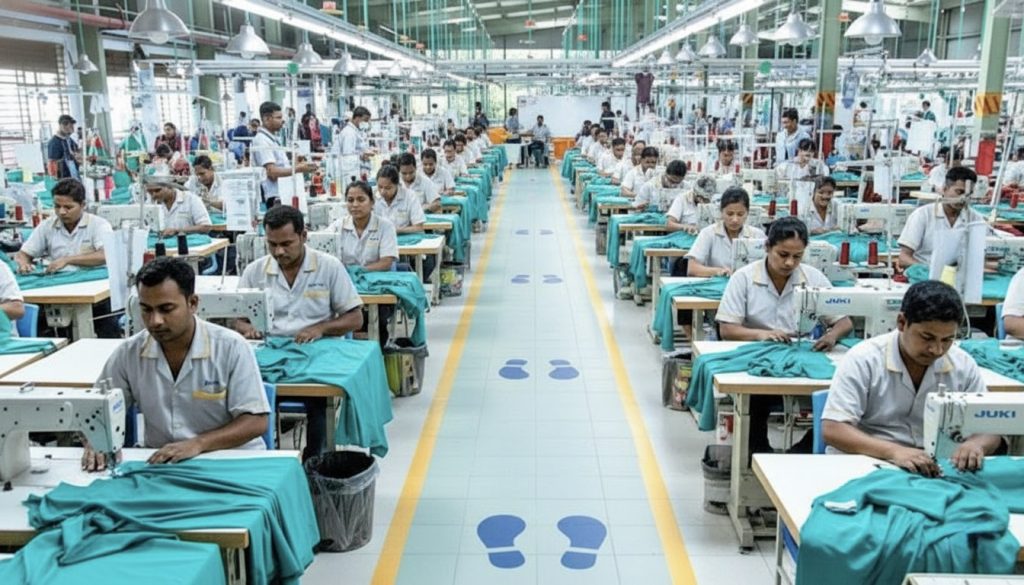
In the fast-paced world of apparel manufacturing, employee turnover remains a persistent challenge. Many companies treat induction and orientation as a mere formality—limited to a PowerPoint presentation, a factory walkthrough, and a brief introduction to company policies. However, a truly effective onboarding process goes beyond these superficial activities.
Also companies provide many facilities as well and those such as transport, meal, incentive, engagement activities, welfare etc., and those became the norm as well. Despite these offerings, a concerning trend persists: employees often leave without notice, bypassing supervisors, department heads, and HR. This silent attrition signals a deeper issue—traditional onboarding fails to address the emotional, financial, and cultural needs of new hires.
So, what should a meaningful induction program look like in an apparel manufacturing company?
The Five Pillars of an Effective Induction & Orientation Program
1. “Who I Am” – Building Self-Awareness and Belonging
Employees in apparel manufacturing come from diverse backgrounds—varying education levels, financial struggles, and personal challenges. Many feel lost on their first day, unsure of how they fit into the organization.
Instead of overwhelming them with company policies, the induction process should encourage self-reflection:
- Where have I come from?
- What challenges have I overcome?
- What do I want to achieve here?
By helping employees recognize their own journey, we instill a sense of purpose and belonging, making them feel valued beyond just being a worker.
2 . “Goals Tree” – Turning Aspirations into Actionable Plans
Many workers have dreams but lack a clear roadmap to achieve them. Rather than using corporate jargon, we should help them define realistic, personal goals:
- Short-term objectives (e.g., mastering a machine skill in three months)
- Long-term aspirations (e.g., becoming a line supervisor)
- How the company can support their growth
When employees see a future within the organization, they are more likely to stay committed.
3. “Basic Finance Literacy” – Reducing Financial Stress
Financial instability is a leading cause of employee turnover. Many workers live salary to salary, leading to frustration, absenteeism, or even unethical behavior.
A structured financial literacy session can help them:
- Budget effectively
- Avoid unnecessary debt and challenge/ revisit own lifestyle
- Plan for emergencies
Financially secure employees are more focused, productive, and loyal.
4. “Mirror Emotions” – Navigating Workplace Culture
Every company has its own culture, and adjusting to it can be challenging. Instead of expecting immediate assimilation, we should:
- Explain expected behaviors (e.g., teamwork, conflict resolution)
- Teach emotional intelligence (how to handle stress, feedback, and disagreements)
- Encourage peer support (buddy systems, mentorship)
This helps newcomers integrate smoothly without feeling alienated.
5. Continuous Feedback & Cultural Adjustment Tracking
Induction shouldn’t end after the first week. HR and team leaders must actively monitor integration through structured check-ins:
- Has the employee made friends in their line?
- Is the assigned buddy providing adequate support?
- Who do they interact with during breaks or commute?
A simple yet detailed questionnaire can reveal how quickly an employee is adapting. The longer it takes, the higher the risk of attritio
Why This Approach Matters
Apparel manufacturing thrives on its workforce—skilled, motivated employees are the backbone of production. Yet, many companies struggle with high turnover because they overlook the human element of onboarding.
By incorporating self-reflection, goal-setting, financial literacy, emotional intelligence, and continuous feedback, we don’t just onboard employees—we retain and empower them.
Conclusion
Traditional induction programs are outdated. To reduce turnover and build a committed workforce, apparel manufacturers must rethink onboarding—focusing not just on operational training but on personal growth, financial stability, and cultural integration.
When employees feel valued, supported, and aligned with company culture, they are far less likely to leave silently. The future of apparel manufacturing lies not just on machines and production lines, but in the people who power them. Investing in their well-being from day one is not just good HR practice—it’s good business. This also applies to other industries as well though it has been framed to apparel.
Niranjan Amarasinghe